
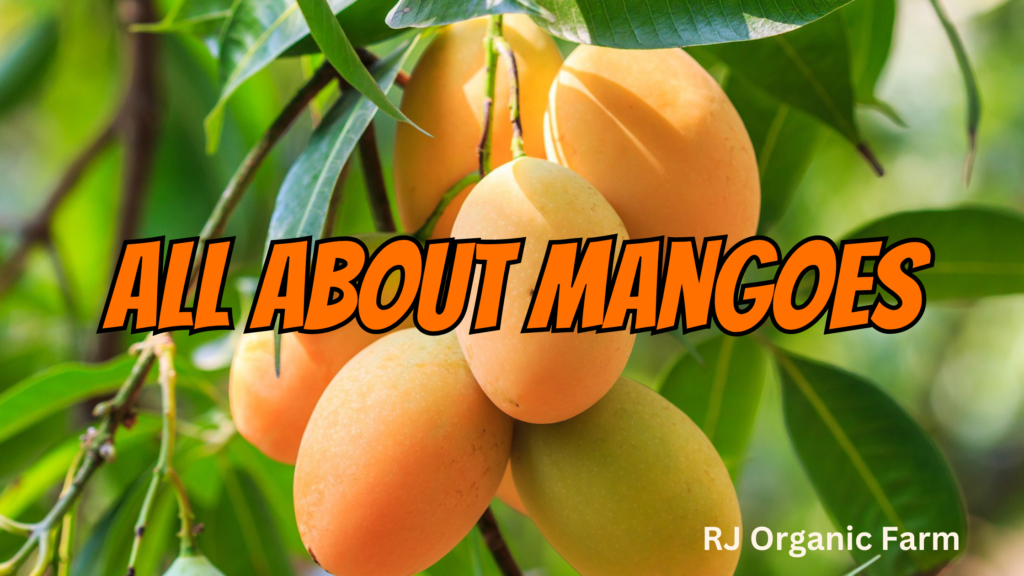
All About Mangoes With the heat of summer slowly starting to take over, we all look for someplace cold to escape the heat. But what else is most expected during this season? Tropical, tasty and juicy mangoes. Being so juicy and tasty, mangoes earned the title of the “King of Fruits”. They are the national
All About Mangoes
With the heat of summer slowly starting to take over, we all look for someplace cold to escape the heat. But what else is most expected during this season? Tropical, tasty and juicy mangoes.
Being so juicy and tasty, mangoes earned the title of the “King of Fruits”. They are the national fruit of India, Pakistan and the Philippines.
Mangoes are believed to have originated between northwestern Myanmar, Bangladesh and northeastern India.
Let’s learn more about the King of Fruits in this blog.
Varieties of Mangoes
Worldwide there are hundreds of mango varieties known, with over 1000 varieties in India. Out of the 1000 mango varieties in India, here are the 10 most famous varieties.
Alphonso – King of Mangoes
Kesar – Queen of Mangoes
Palmer – Largest grown
Badami – Known as “Alphonso of Karnataka”
Haden – Rich and aromatic
Dasheri – Famous in Northern India
Kent – Sweet and rich
Tommy Atkins – Mildly sweet
Francis – Rich, spicy and sweet
Neelam – Best in June
Nutritional Value of Mangoes
Maintains Healthy Skin & Hair
Mango fruits are a rich source of vitamins A and C
Vitamin C is involved in the formation of collagen – the protein that acts as a scaffold to the skin, keeping it plump and firm.
All cells require vitamin A for growth, including the skin and hair. Some studies suggest that it may offer potential protective effects against the signs of ageing One of vitamin A’s key roles is its involvement in the production of sebum, the oily substance that keeps our skin and scalp moisturised.
Rich in protective antioxidants
Mangos are a good source of protective compounds with antioxidant properties. These plant chemicals include gallotannins and mangiferin. Both have been studied for their ability to counter the oxidative stress associated with day-to-day living and exposure to toxins.
Supports eye health
The orange flesh of the mango fruit tells us that they are rich in carotenoids, which support eye health. In particular, they provide lutein and zeaxanthin, two carotenoids that play an important role in the retina of the eye by protecting them from sunlight and the blue light emitted from digital devices. Lutein and zeaxanthin are particularly useful in the fight against the signs of age-related macular degeneration.
Mango Man
Haji Kalimullah Khan, popularly known as Mango Man, is an Indian horticulturist and fruit breeder. He is famously known for his accomplishments in breeding mangoes and other fruits. He is known to have grown over 300 different varieties of mangoes on a single tree.
Born in Malihabad, near Lucknow in the state of Uttar Pradesh, Khan dropped out of school in 7th grade and took to the family business of farming.
Using the technique of grafting, he has developed several new varieties of mangoes. Anarkali, a variety of mango developed by him is reported to have two different skins and two different layers of pulp, each having a different taste.
Biggest Producers of Mangoes
India
The number 1 mango-producing country in the world is India. The production here reaches over 18 million tonnes, which is approximately 50% of the global mango supply. The main mango-producing states in India are Andhra Pradesh, Bihar, Gujarat, Karnataka, Maharashtra, and Orissa, although many other Indian states also cultivate mangoes. In total, India has about 2,309,000 acres dedicated to mango farming.
China
The second largest mango producer is China with 4.77 million tonnes of mango. Significant commercial production began here during the 1960s, although mango has been grown in China for centuries. Most of the mango crops can be found in the southern regions, where temperatures are warmer. Major importers of mangoes from China include Russia, Japan, and South Korea.
Thailand
Thailand is the third largest mango producer in the world. It has about 753,671 acres dedicated to mango production. Thailand processes and exports this fruit fresh, frozen, canned, and dried. The majority of fresh mangoes are sold in domestic markets. Only about 2% of the fresh fruit is exported to South Korea, China, Japan, Malaysia, and Singapore.